
Car Hire Accident Reporting: What to Confirm
Clear car hire accident reporting instructions help you know whom to contact, what information to provide and who handles follow-up if a journey is interrupted. Before hiring a car in Entebbe, ask for the procedure that applies to your actual booking, whether you intend to drive yourself or travel with a driver.
This guide sets out the questions to resolve before departure. It does not establish Entebbe Car Hire’s reporting policy, insurance terms or emergency arrangements; those details need written confirmation for your proposed hire.
Car Hire Accident Reporting: Quick Answer
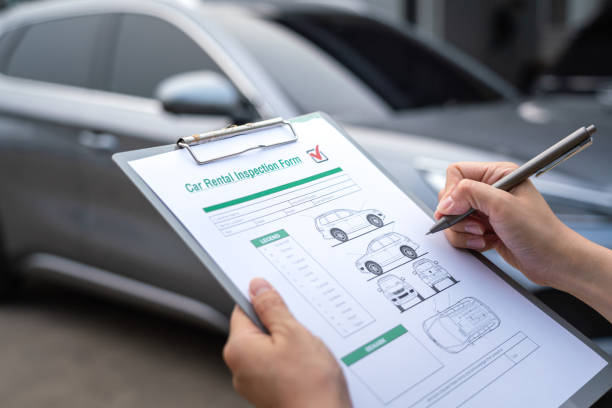
Before accepting a booking, obtain a named reporting contact, a backup contact method and written instructions explaining your responsibilities. Confirm which incidents must be reported, how quickly notification is required and which documents may be requested afterwards.
Keep emergency action separate from the rental reporting process. If an accident occurs, prioritise personal safety and seek appropriate emergency help where needed; a message to the hire company is not a substitute for that help.
- Save the primary and backup reporting contacts.
- Check whether an initial telephone call needs a written follow-up.
- Clarify the respective duties of the traveller, authorised driver and hire company.
- Ask what to do if the vehicle cannot safely continue.
- Read reporting instructions alongside the rental agreement and any supplied insurance terms.
Why Reporting Arrangements Need Planning Before Travel
An accident can leave several tasks competing for attention: checking people’s safety, contacting the right organisation and recording what happened. Resolving the reporting procedure beforehand reduces the number of decisions you must make under pressure.
Do not assume that the person who arranged your booking also receives incident reports. A sales contact, vehicle handover contact and incident contact may have different responsibilities. Ask which contact to use rather than relying on an earlier conversation.
Your travel arrangements also matter. If someone else books on your behalf, make sure the person travelling receives the instructions directly. A document held only by an office administrator or family member may not be readily available when needed.
Confirm Who Reports an Incident and Whom to Contact
Identify the first contact and an alternative
Request the telephone number and written reporting channel applicable to your hire. Ask when each channel is monitored and what alternative to use if the first contact does not respond. Do not assume that a general enquiry number provides round-the-clock incident support.
Save the details on your phone and keep an offline copy with your booking documents. If you are travelling with another adult, consider sharing the relevant contact sheet so it is not stored on just one device.
Separate initial notification from follow-up
Ask whether a call starts the reporting process or whether a form, email or other written account is also required. Establish who acknowledges receipt and how you can check that the report reached the correct person.
Also clarify who handles communication with any relevant authorities or insurer. Notifying the hire company should not be assumed to complete every other reporting obligation. Requirements and deadlines need confirmation from the applicable documents and relevant parties.
Which Vehicle Details Should Your Reporting Instructions Identify?
The reporting instructions should be easy to match to the car you actually receive. At handover, check that the registration and booking reference are correct and that the named driver details reflect the agreed arrangement.
If the allocated vehicle changes, ask whether the contact details, paperwork or reporting procedure also change. Avoid relying on documents for a previously proposed vehicle without checking their relevance.
- Booking reference: the identifier used to locate your hire record.
- Vehicle registration: the registration of the vehicle handed over.
- Authorised driver details: the people permitted to drive under the agreement.
- Hire period: the agreed collection and return dates and times.
- Vehicle condition record: the agreed handover notes and any supporting photographs.
Ask how to report a discrepancy in the handover record before departing. A clear starting record helps distinguish pre-existing damage from an issue reported during the hire, without determining responsibility by itself.
What Should the Quotation Clarify?
A quotation may describe the transport arrangement without containing the full accident-reporting procedure. Ask which separate documents form part of the booking and request time to read them before accepting the terms.
The following checklist helps identify gaps. It lists questions to resolve, not services or protections that are confirmed as included.
| Topic | Question to ask | Written confirmation to request |
|---|---|---|
| Reporting contacts | Who receives the first report? | Primary contact and backup procedure. |
| Reporting deadlines | When must notification and documents arrive? | Applicable deadlines and submission methods. |
| Driver responsibilities | Who calls and who submits the account? | Duties for the agreed driving arrangement. |
| Documentation | Which records may be required? | Document checklist and recipient. |
| Vehicle movement | Who authorises recovery or repairs? | Approval process and contact. |
| Interrupted travel | What happens if the car cannot continue? | Any agreed arrangements and cost terms. |
| Financial terms | Which charges or liabilities may apply? | Relevant agreement and insurance clauses. |
Keep reporting duties separate from financial protection
Receiving a reporting number does not establish insurance cover. Likewise, submitting a report does not by itself confirm who pays for damage, recovery or interrupted travel. Ask for the relevant terms rather than relying on a verbal description such as “covered”.
If an excess, deposit deduction or other charge is mentioned, request its written basis. No amount, waiver or reimbursement should be assumed without the applicable booking terms.
Driver-Led Car Hire vs Self-Drive: Confirm Reporting Responsibilities
When travelling with a driver
Ask whether the driver makes the initial company report and whether the traveller must provide a separate account. Clarify who updates the person who booked the journey, especially when that person is not travelling.
A driver-led arrangement should not leave passengers uncertain about whom to contact if the driver cannot communicate. Request an independent company contact and ask how passenger concerns should be recorded.
When considering self-drive
Before agreeing to self-drive, check the authorised driver’s reporting duties and whether each authorised driver receives the instructions. Do not assume that another passenger can complete every required step on the driver’s behalf.
Ask how the company wants factual information submitted. Distinguish what you personally observed from information supplied by someone else, and say when a detail is unknown rather than guessing.
Safety and Comfort if Travel Is Interrupted
Reporting paperwork should not take priority over immediate safety. Do not put yourself or others at risk to photograph damage, retrieve documents or complete a call. Seek appropriate emergency assistance when needed and follow lawful directions from relevant authorities.
Before travel, ask what instructions apply if the vehicle appears unsafe to drive. Clarify who can authorise movement, recovery or repairs; do not assume that arranging work yourself will be approved or reimbursed.
Plan for passengers as well as the vehicle
Explain any child-seat, mobility or other passenger requirements during booking discussions. Ask how those needs would be considered if the original journey could not continue. This is a planning question, not confirmation that a replacement vehicle or particular equipment will be available.
If your trip connects with a flight, appointment or accommodation booking, keep those contact details accessible too. Ask how an interruption would be communicated, while avoiding plans that depend on a guaranteed recovery or replacement time.
Useful Booking Questions About Documentation and Follow-Up
A useful report records facts clearly without trying to resolve liability at the roadside. Ask for the company’s preferred checklist so you know what information to provide when it is safe and appropriate to do so.
- Is there a reporting form, and can it be supplied before collection?
- Which incident details should the initial notification contain?
- Are photographs requested, and how should they be submitted securely?
- What authority-issued reference or document is needed, if applicable?
- Should documents be sent by the driver, the booking holder or both?
- Who confirms receipt and requests any missing information?
- How will updates about the vehicle or booking be communicated?
Keep copies of submitted documents and a simple record of contact attempts, including dates, times and the channel used. Send personal information only through the agreed reporting channel, and ask before sharing sensitive documents in a group conversation.
When to Confirm Contacts and Request Written Instructions
Raise reporting questions while comparing the hire terms, not only after payment or collection. This gives you time to identify missing documents and understand any responsibilities that affect your decision to book.
At handover, recheck the contact details, vehicle registration and reporting instructions. If a deadline or responsibility remains unclear, ask for clarification rather than treating silence as agreement.
Review the instructions again if the authorised drivers, vehicle or hire period change. Keep the current version accessible offline, together with the agreement and handover record.
Frequently Asked Questions About Car Hire Accident Reporting
What if the reporting contact is unreachable?
Use the backup method confirmed for your booking and record your contact attempts. Do not delay necessary emergency help while waiting for a rental contact to respond. Ask about this situation before departure so you have an agreed escalation procedure.
Is there a standard reporting deadline?
No booking-specific deadline is established by the information supplied here. Request the applicable notification and document deadlines in writing, including any separate requirements in insurance documents or from relevant authorities. Do not assume that reporting at the end of the hire is acceptable.
Does the driver handle all follow-up on a driver-led booking?
That needs confirmation. The driver may have reporting duties, while the passenger or booking holder may still need to supply information. Ask for a clear division of responsibilities and a contact for updates.
Does reporting an accident mean the costs are covered?
No. Reporting and financial responsibility are separate matters. Any cover, exclusions, excess or charges must be assessed against the applicable agreement and insurance terms, not inferred from the reporting process.
Should a minor incident also be reported?
Ask how the agreement defines a reportable incident, including minor damage or an event involving another party. Do not decide that something falls outside the procedure solely because the car still drives or damage appears limited.
Before booking, ask Entebbe Car Hire for the incident-reporting contacts and written instructions applicable to your proposed journey. Include your intended dates, driving arrangement and passenger requirements so you can review the relevant responsibilities before accepting the hire terms.
TopicUganda car hire incident planning
Reader focusInformational: understand which accident-reporting contacts, responsibilities and instructions to confirm before hiring a car.
Main subjectcar hire accident reporting