
Which vehicle to hire from Entebbe: choosing the right car for a Uganda road trip
Choosing the right vehicle for a Uganda road trip from Entebbe shapes every part of your journey. The right car affects comfort, luggage space, road access, fuel planning and how many stops you can make. This guide explains common vehicle types used for Entebbe‑origin trips, who each suits, and the practical questions to ask when you request a quote.
Use the guidance below to match vehicle choice to your route, group size and priorities so you travel with fewer surprises.
Which vehicle for Uganda road trip: quick decision guide
Here’s a short summary to help you decide quickly:
- Small groups (1–3) with light luggage: a sedan or compact SUV can be comfortable for paved roads and short distances.
- Families or groups (4–7): choose a minivan or larger SUV for seats and luggage space.
- Rough roads, national parks or steep tracks: a 4×4 (high-clearance vehicle) is the safer choice.
- Birding, photography or game-viewing groups: consider a safari van or 4×4 with roof access for better viewing and kit storage.
- Comfort and local knowledge: hire a private driver/chauffeur — this eases navigation, fuel stops and local formalities.
Common vehicle types and when to choose them
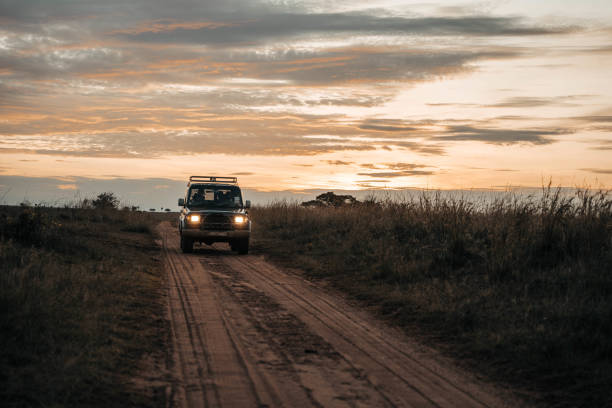
| Vehicle type | Best for | Considerations |
|---|---|---|
| Sedan / compact car | Paved routes, short transfers, solo travellers or couples | Lower clearance; limited luggage for long trips or rough roads |
| SUV (higher-spec) | Mixed roads, small families, moderate luggage | Better ground clearance than sedans; still not ideal for severe off‑road |
| 4×4 (high-clearance) | Remote parks, rainy-season travel, rough tracks | Stronger suspension and clearance; more comfortable on rough roads |
| Minivan / people carrier | Families and groups wanting enclosed seating and luggage space | Roomy interior; check luggage capacity if group carries large bags or photographic kit |
| Safari van (open/viewing roof) | Wildlife viewing, photography groups | Great for viewing; confirm seating layout and storage for equipment |
Driver (chauffeur) vs self-drive: which to pick?
Many travellers starting in Entebbe choose a driver for long routes. A driver adds local road knowledge, handles fuel stops and parking and lets you rest or photograph from the vehicle. For first-time visitors, busy schedules or routes to parks like Bwindi or Queen Elizabeth, a driver is often the practical option.
Self-drive can suit experienced local drivers who prefer independence and short transfers on well-maintained roads. If you plan to self-drive, confirm the vehicle is suitable for the route and that you understand local driving rules, fuel availability and emergency contacts.
Practical planning: passengers, luggage and kit
Count seats and test-fit luggage
List every passenger and luggage item before you book. Standard tips:
- One large suitcase often equals one seat of trunk space — confirm how much trunk space is available for the chosen vehicle.
- Photography or birding kit needs extra space: carry equipment in soft bags where possible for easier packing.
- For families, ask about child seats and where they will fit.
Accessibility and special needs
If travellers need accessible access, low-floor vehicles or extra space for mobility aids, state this when enquiring. Vehicles vary in door width, step height and interior room; asking in advance helps avoid last-minute changes.
Roads, seasons and route-specific choices
Road condition determines vehicle choice as much as group size. Main highways from Entebbe to Kampala and to Jinja are generally well maintained, but secondary roads to parks, islands and remote lodges can be rough — especially in the rainy season.
If your itinerary includes off‑the‑beaten‑track sections (for example a park approach or dirt tracks to island jetties), choose a 4×4 or a sturdy minivan with good clearance. For a scenic road trip that stays mostly on tarmac, a comfortable SUV or minivan is suitable.
Fuel, range and sensible stops
Plan fuel stops for long days. Even when fuel stations are common near major towns, remote sections can have fewer options. When you request a quote, ask about planned fuel policy: who refuels and how fuel costs are handled on the trip.
Safety checks and driver briefing
Before you start a long road trip, check the essentials with the supplier or driver:
- Service history and recent maintenance for the vehicle (brakes, tyres, spare wheel).
- Presence of a working jack, spare wheel and replacement bulbs.
- First-aid kit and basic emergency kit.
- Mobile phone network coverage along your route and local emergency contacts.
Ask the driver how they handle breakdowns and what roadside assistance is available for your route.
Questions to ask when you request a quote
- What vehicle types do you recommend for our route and passenger count?
- Is a driver included or available? If so, how many driving hours per day are typical?
- What is the luggage capacity and seating layout?
- What are the fuel, toll and driver-expense policies?
- Do you supply child seats, booster seats or accessible vehicles on request?
- What roadside assistance or contingency arrangements are in place for remote routes?
Sample scenarios (how to match choice to a typical Entebbe-origin trip)
Family visiting Bwindi & Lake Bunyonyi (multi-day)
For a family road trip that includes park approaches and hilly tracks, choose a comfortable 4×4 or a large minivan. These options handle steeper access roads and give room for luggage and child seats. If you are interested, our 4-Day Bwindi & Lake Bunyonyi Family Tour from Entebbe describes a typical family itinerary and useful stops to plan into the drive.
Short scenic drive to Jinja and the Nile
A paved-route scenic day or overnight trip from Entebbe to Jinja works well with an SUV or minivan. If you prefer an easy day with local stops and photography, check the recommended vehicle in the 3-Day Jinja & Nile Scenic Road Trip Tour from Entebbe for a similar multi-day option.
Booking checklist
Before you confirm a booking, tick these items:
- Vehicle type and seating layout confirmed in writing.
- Driver arrangement, daily driving limits and rest breaks agreed.
- Fuel policy and who pays for fuel/tolls documented.
- Child seats or accessibility features requested and confirmed.
- Emergency contact and breakdown procedure explained.
If you’d like help matching a vehicle to your exact itinerary, request a quote that lists passenger numbers, luggage and target route. We can suggest suitable vehicle types and explain driver options so you travel from Entebbe with confidence.
Can I hire a vehicle without a driver from Entebbe?
Some suppliers offer self-drive vehicles, but availability depends on vehicle type and route. Self-drive suits experienced local drivers and short, paved transfers. For longer trips or rough roads, hiring a driver is usually recommended.
Do I need a 4×4 for Bwindi or Queen Elizabeth?
If your route includes dirt tracks, steep park approaches or rainy-season sections, a 4×4 is the safer option. For routes that stay on main roads and have short, maintained approaches, a high‑clearance SUV may suffice. Check your exact itinerary before deciding.
How much luggage can I bring on a safari van or minivan?
Capacities vary by vehicle. As a rule, check the number and size of large suitcases you plan to bring and compare that to the supplier’s luggage guidance. Photography kit often needs extra room, so mention it when enquiring.
Are child seats available?
Child seats and booster seats are commonly available on request. Always request and confirm the type and suitability for your child’s age and weight before you travel.