
Car Hire With Hearing Loss: Planning Guide
Planning car hire with hearing loss in Uganda starts with agreeing how you want to communicate, not assuming that a particular vehicle will meet every need. Written pickup instructions, a clear meeting point and an agreed way to handle changes may help, but each requested arrangement needs confirmation before booking.
This guide explains what to discuss for an airport transfer, a private-driver journey or a self-drive enquiry. It does not confirm specialist equipment, sign-language support, trained drivers or particular vehicle features. Treat any arrangement that has not been expressly agreed as unconfirmed.
Car Hire With Hearing Loss: Quick Answer
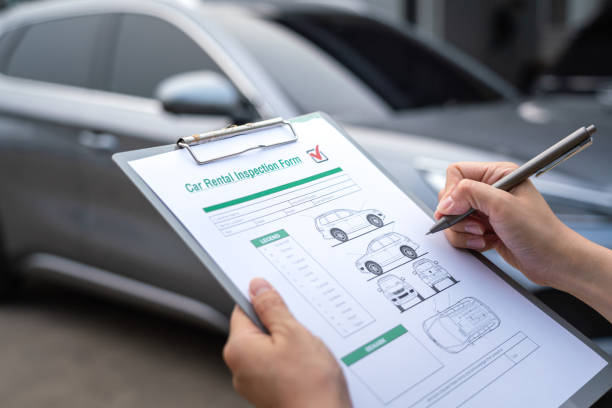
Describe the communication arrangements that work for you alongside your journey details. For example, you might prefer written messages rather than calls, face-to-face discussion while parked, or written confirmation of destinations and departure times.
Ask which requests can be met and how the agreed information will reach the person handling your pickup. A booking acknowledgement alone does not necessarily confirm every communication request.
- Give your pickup point, destination, date, passenger numbers and luggage details.
- State your preferred communication method and any method you cannot reliably use.
- Request precise written meeting instructions and a plan for missed contact.
- Check what happens if the driver, vehicle or pickup location changes.
Why Communication Needs Advance Planning
Hearing loss does not create the same requirements for every traveller. Some people prefer speech in a quiet setting; others use text, sign language, lipreading or a combination. Explain your preferences rather than relying on a general accessibility label.
A booking discussion also differs from a roadside conversation. You may have time to read detailed information before departure, while a pickup change needs a short, clear message. Agreeing these situations in advance helps identify arrangements that still need work.
Describe the practical need
You do not need to give a detailed medical history to explain that telephone calls are unsuitable. A useful request might be: “Please send pickup instructions in writing. If the meeting point changes, I need a written update.”
If you use sign language, name the language and ask explicitly whether any relevant support is available. Do not assume that a driver or booking contact signs, or that one sign language is understood by everyone.
Plan Communication for Every Journey Leg
Cover the outward journey, intermediate pickups and return arrangements. A communication plan for arrival does not automatically cover a later hotel departure or a different driver.
Before arrival and at pickup
Request a meeting point that you can identify without hearing an announcement or answering a call. Ask for a written description of where to wait, how to identify the correct contact and what to do if you cannot find each other. Keep a copy available offline.
Agree how you will acknowledge a message. If you cannot use your phone immediately after arrival, explain that before departure and ask what alternative meeting procedure can be confirmed.
Stops, onward travel and the return
Before leaving a stop, confirm the next destination and any agreed departure time. For a return pickup, record the date, location and contact method separately rather than relying on an earlier conversation.
If another person will manage a later journey leg, ask whether your communication preferences will be passed on. Share only the information needed to coordinate the trip, and clarify whether you should reconfirm directly.
Which Vehicle Suits Your Needs?
Choose a vehicle around passenger numbers, luggage, route and any individual access requirements. Hearing loss alone does not establish that you need a 4×4 or a specialist vehicle. Equally, a vehicle category does not confirm its seating layout or suitability for your preferred communication method.
If seeing a speaker’s face matters to you, discuss seating before booking. Any preference must remain compatible with seat-belt use, safe travel and the driver’s need to watch the road.
| Your requirement | What to ask | Confirmation to look for |
|---|---|---|
| Written contact | Can essential updates use my preferred written channel? | An agreed channel and contact details. |
| Clear pickup instructions | Where should I wait, and how will we identify each other? | A specific meeting description and fallback plan. |
| Face-to-face discussion | Can detailed conversations take place while safely parked? | An agreed approach, without distracting the driver. |
| Seating preference | Can the proposed seating arrangement meet my needs? | Confirmation for the proposed vehicle, not just its category. |
| Sign-language communication | Is support in my sign language available? | An explicit answer; do not assume availability. |
| Contact failure | What should I do if messages do not arrive? | A fallback procedure agreed before travel. |
This is a planning checklist, not a list of features offered by Entebbe Car Hire. Keep essential requirements marked as unresolved until you receive a clear response.
What Should Be Included in the Quotation?
Ask for a written quotation that identifies the journey, vehicle arrangement and what the price includes. Clarify whether the proposal covers a driver, fuel, waiting, additional stops and return travel rather than assuming these are included.
Record agreed communication arrangements alongside the commercial details. This makes it easier to distinguish a request you submitted from something the provider has accepted.
- The preferred contact method for booking and travel-day updates.
- The agreed pickup location and identification procedure.
- Any confirmed seating or parked-conversation arrangements.
- The procedure for changes, delays and unsuccessful contact.
- Any additional charge associated with a requested arrangement, if applicable.
If an essential request remains unanswered, ask for clarification before committing. Where the proposed arrangement does not meet your needs, discuss alternatives rather than treating silence as agreement.
Driver-Led Car Hire vs Self-Drive: Communication Considerations
Travelling with a driver
A driver-led arrangement lets you leave the driving to someone else, but communication still needs planning. Confirm how you will share destinations, request stops and discuss changes. Longer conversations should happen before departure or when safely parked.
Ask that the driver speak directly to you in your preferred way rather than automatically addressing a companion. A companion can help if you want them to, but their presence should not replace your own decisions.
Considering self-drive
For self-drive, check the rental provider’s licence, eligibility and insurance requirements directly. This guide does not establish legal driving eligibility or confirm that a particular rental arrangement is available.
Request essential handover information in a format you can use, including vehicle controls, return instructions and the procedure for reporting a problem. Ask how written contact would work if you needed assistance; do not assume a message channel is continuously monitored.
Safety Checklist: Communicate Without Distracting the Driver
Agree on communication before the vehicle moves. A driver should not need to read messages, turn towards a passenger or follow a signed conversation while driving.
- Confirm the destination and planned stops before departure.
- Agree a simple way to request a safe stop for further discussion.
- Save detailed written exchanges for when the vehicle is safely parked.
- Do not rely on an immediate reply from someone who may be driving.
- Keep essential journey information accessible without a live connection.
- Ask what contact procedure applies if there is a vehicle problem or other urgent concern.
A request to stop still depends on finding a safe place. Discuss this distinction beforehand so that a delayed stop is not mistaken for a missed request.
For self-drive, read and send messages only when safely parked. Prepare navigation and review the route before moving off.
How to Keep the Trip Comfortable
Seating, visibility and conversation
If you use lipreading or facial cues, explain what helps you follow a conversation. Request face-to-face discussion while stationary rather than expecting the driver to turn around during travel.
You may prefer limited conversation on the road, especially when following speech takes concentration. Tell the driver whether you would like non-essential information saved for stops.
Sound and personal equipment
If music makes communication harder, ask whether it can be lowered or switched off. Discuss this as a preference to confirm, not as a feature guaranteed by the vehicle description.
If you use hearing devices or a phone for communication, pack the supplies you normally need. Do not depend on unconfirmed in-vehicle charging or connectivity. Keep a short written version of the pickup plan as a backup.
Useful Booking Questions
Send a focused set of questions that makes your priorities clear:
- Can you use my preferred written method instead of telephone calls?
- Will the person handling my pickup receive the agreed instructions?
- How will I identify the correct driver or vehicle?
- What happens if the meeting point or driver changes?
- What should I do if I receive no reply at pickup?
- Which requests are confirmed, and which remain unresolved?
Identify which arrangements are essential and which are preferences. This helps you assess a proposal without expecting the provider to guess what you can manage without.
When to Confirm Arrangements
Raise communication requirements with the first enquiry, before choosing solely on price. Confirm essential arrangements before booking, then review travel-day details once the pickup instructions are available.
If your flight, accommodation, passenger group or destination changes, check whether the communication plan also needs updating. Keep the latest agreed version together so that older instructions do not cause confusion.
Frequently Asked Questions About Car Hire With Hearing Loss
Can I request written pickup instructions?
Yes, you can request them. Ask which written channel can be used and obtain confirmation that the instructions will include the meeting point, identification details and a fallback procedure.
What if the meeting point changes?
Follow the change procedure agreed before travel. Ask for the new location in writing and confirm that you have understood it before moving. Verify unexpected instructions through the contact details you already hold.
What if my communication request is not confirmed?
Treat it as unresolved. Explain whether it is essential and ask for a definite answer. A vehicle reservation does not by itself establish that every requested communication arrangement is available.
Will a driver know sign language?
Do not assume so. Ask about your specific sign language and any support you need. If support cannot be confirmed, decide whether an agreed alternative would work for you.
Discuss Your Communication Preferences Before Booking
Share your journey dates, pickup point, destination, passenger and luggage details with Entebbe Car Hire, together with your preferred communication method. State any essential requirements and ask which arrangements can be confirmed before booking. Keep that written confirmation with your journey information.
TopicAccessible Travel: communication planning for car hire
Reader focusInformational: how travellers with hearing loss can discuss communication needs before booking car hire in Uganda.
Main subjectcar hire with hearing loss